


A major part of my work today is not just creating new models or algorithms, but building the environment in which AI can be delivered well: defining product strategy, establishing teams, mentoring scientists and engineers, creating evaluation and experimentation workflows, and helping organizations move from prototypes to robust customer-facing systems.
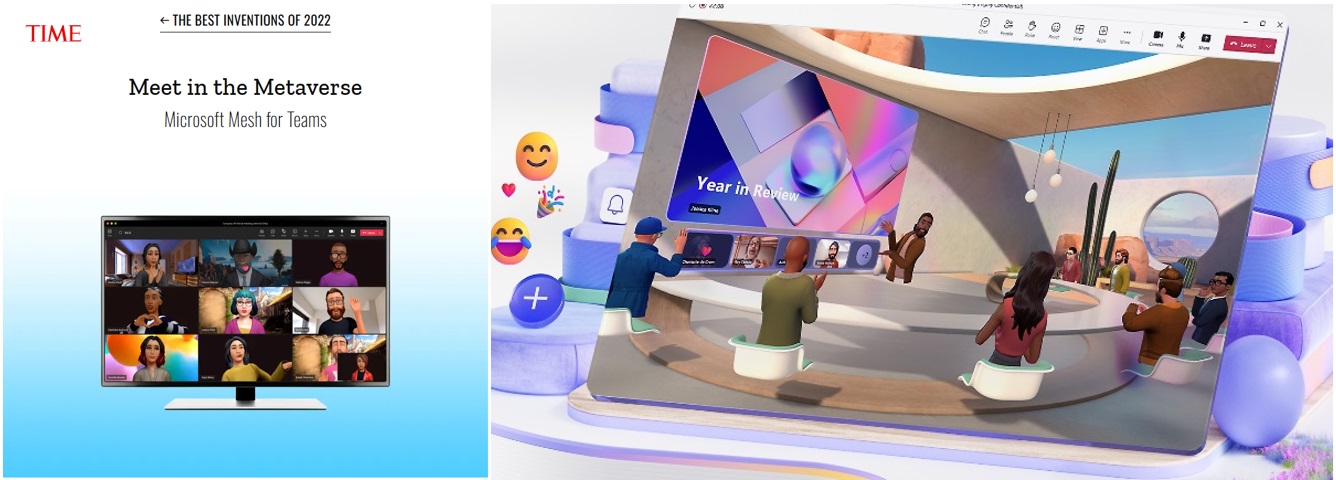
In Teams, this has meant helping drive the shift toward multimodal agents, post-trained AI systems, and proactive collaboration experiences, setting technical direction for conversational AI, and building the foundations for synthetic data generation, model evaluation, and live testing using human and AI feedback.
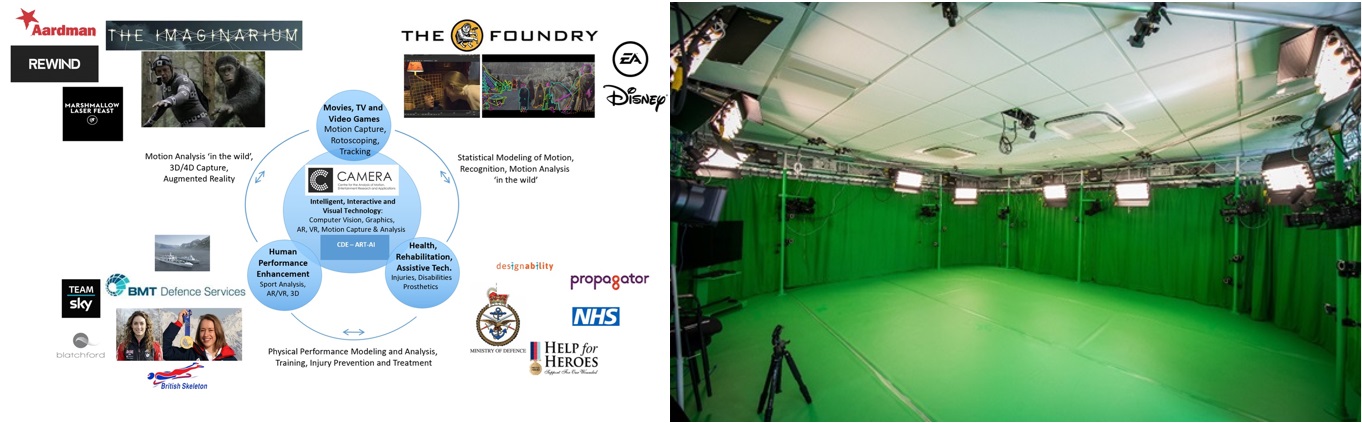
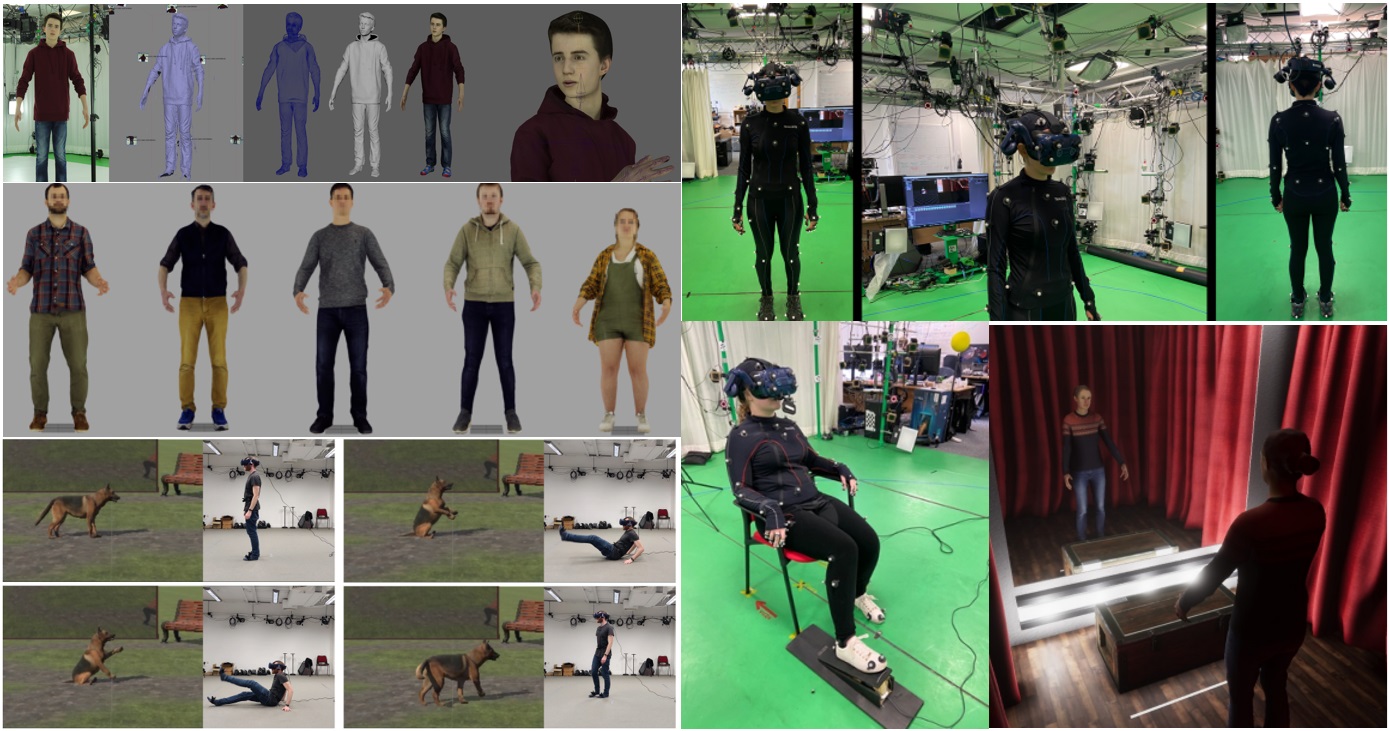
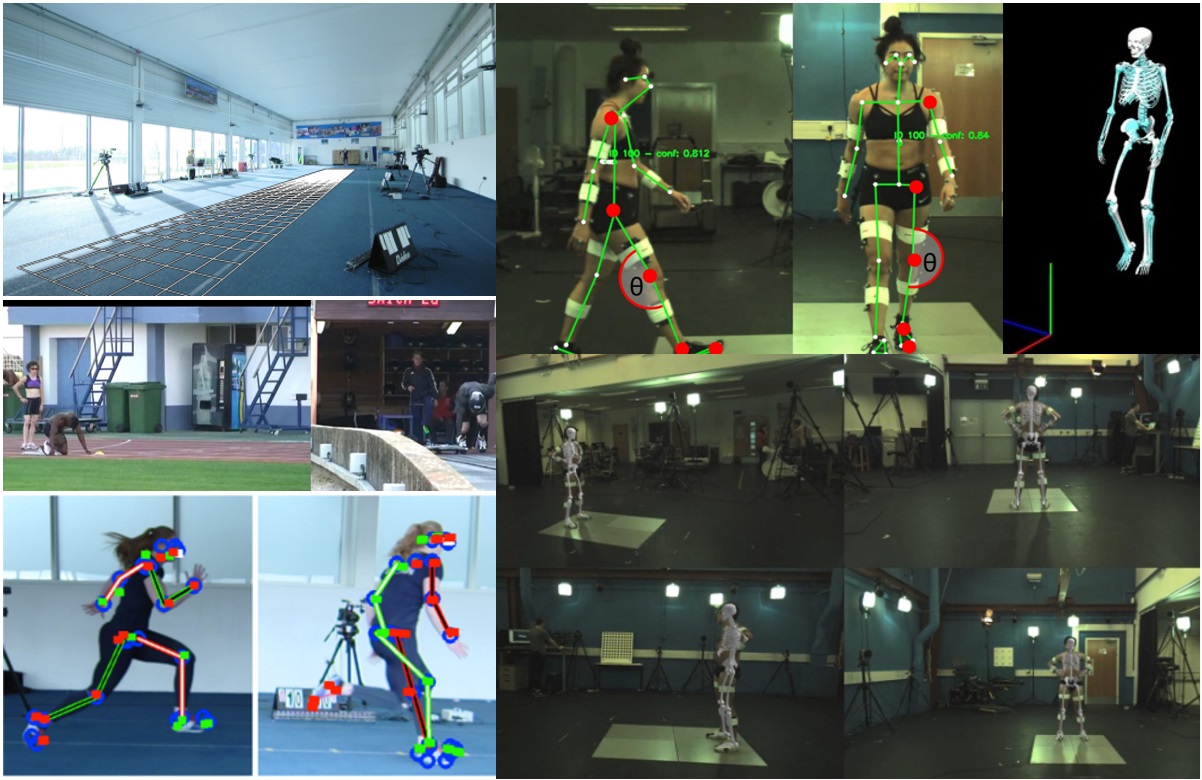
The same leadership pattern was central to CAMERA - creating the vision, bringing together academic and industrial partners, raising substantial funding, hiring and growing an interdisciplinary team, building studios and technical infrastructure, and turning the centre into something that delivered both strong research and real-world impact. That remains one of the clearest examples of the kind of institution-building and long-horizon technical leadership I most enjoy.
It has also pulled my work further toward reinforcement learning, post-training, and the broader question of how modern AI systems become reliably useful once they leave the demo stage and enter products that people use every day. I am especially interested in real-time settings, where models must work under latency, context, and interaction constraints, and in proactive agents that can help move collaboration forward rather than only reacting to a prompt.